By ChargeRFID
Review method: This organization-authored article reflects ChargeRFID's manufacturing perspective. Confirm chip, reader, charger, and backend compatibility in your own environment before ordering.
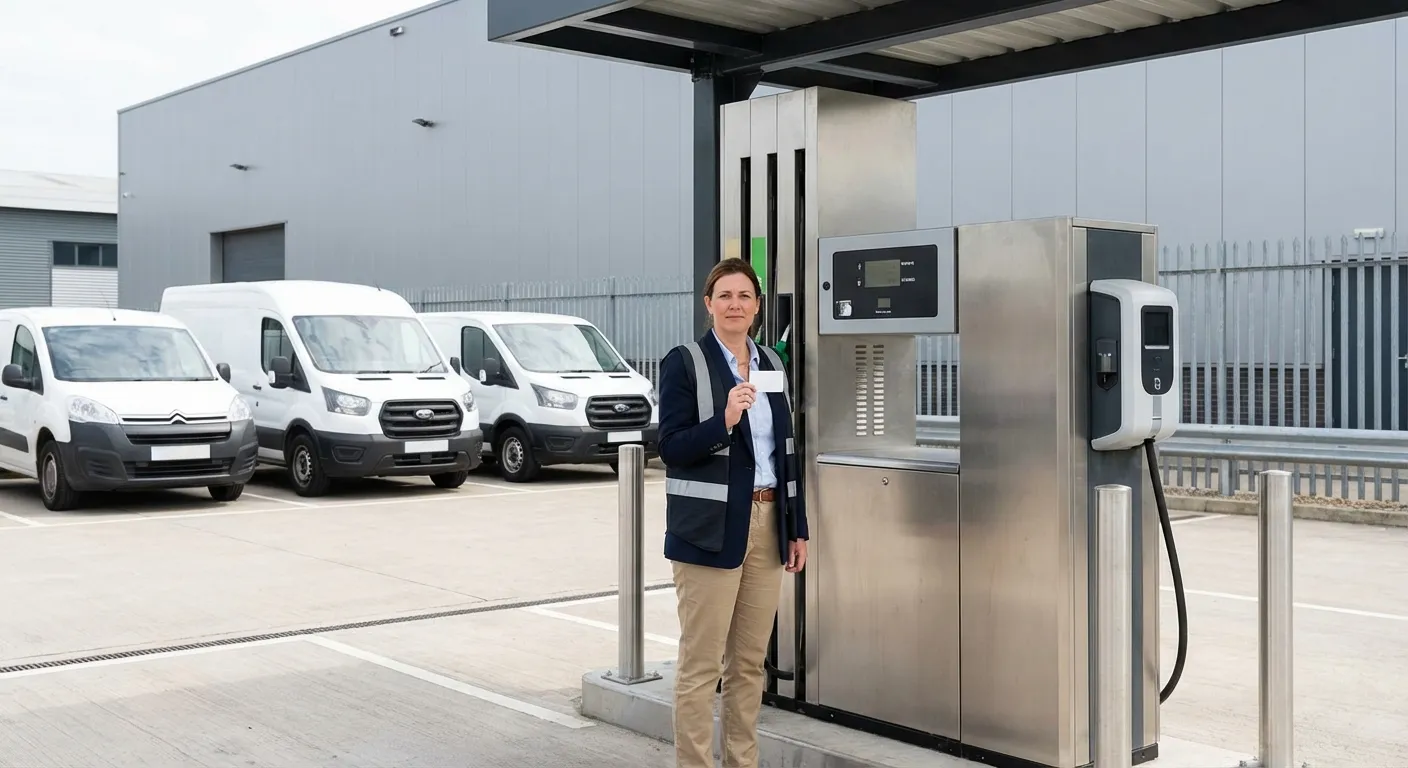
Fleet managers have long juggled separate cards for diesel, gasoline, and now electric vehicle charging. That complexity is finally ending. In January 2026, WEX Inc. announced a groundbreaking solution: the first unified card that handles traditional fuel AND EV charging through a single RFID-enabled credential. Here's what this means for your fleet operations.
The Problem: Too Many Cards, Too Many Invoices
Managing a mixed fleet in 2026 means dealing with fragmented payment systems. Your diesel trucks use one fuel card. Your electric vans need charging network memberships. Your hybrid vehicles might need both. The result? Multiple vendor relationships, separate invoices, disconnected reporting, and administrative overhead that grows with every vehicle you add.
According to fleet industry analysts, companies operating mixed fleets spend an average of 12 additional hours per month reconciling separate fuel and charging accounts. For a 50-vehicle fleet, that translates to significant labor costs and delayed expense reporting.
One Card, One Account, One Invoice
The WEX unified approach represents a fundamental shift in fleet energy management. A single RFID card now works at traditional fuel stations AND electric charging networks. Drivers no longer need to carry multiple credentials or remember which card works where. They simply tap the same card whether filling a diesel tank or plugging into a DC fast charger.
For fleet managers, this consolidation delivers immediate benefits. One vendor relationship simplifies procurement. One invoice streamlines accounting. One dashboard provides complete visibility into all energy spending—regardless of whether that energy comes from petroleum or electrons.
Why RFID Remains Central to Fleet Charging
While consumer EV charging increasingly moves toward app-based and Plug & Charge solutions, fleet operations have different requirements. RFID cards provide physical accountability—you know exactly which driver used which charger. They work without smartphones or cellular connectivity. They integrate with existing fleet management systems that have used card-based tracking for decades.
Public DC fast-charging coverage continues to grow, but RFID acceptance is not universal. Fleet access depends on the chosen eMSP, roaming agreements, token provisioning, and each CPO's charger configuration, so routes and participating locations must be checked before rollout.
Implementation Considerations for Fleet Managers
Transitioning to unified cards requires evaluating your current charging network coverage. Not all charging networks participate in every unified card program. Before switching, map your fleet's regular routes against the participating charging stations to ensure adequate coverage.
Consider your reporting requirements as well. Unified cards should provide detailed transaction data including charging duration, energy consumed (kWh), location, and cost—the same granularity you expect from traditional fuel cards. This data feeds into total cost of ownership calculations that justify your EV investments.
Driver training remains straightforward since RFID tap-to-authenticate works identically whether at a fuel pump or charging station. The learning curve is minimal for teams already familiar with fleet fuel cards.
The Financial Case for Consolidation
Beyond administrative simplification, unified cards often unlock volume-based pricing advantages. Consolidating all energy spending through a single provider increases your purchasing power. Fleet managers report negotiating better per-kWh rates when they can demonstrate consistent, predictable charging volumes.
The EV charging market's projected growth to $90.4 billion by 2032 means more competition among card providers and charging networks. Early adopters of unified solutions position themselves to benefit from this competition through better rates and expanded network access.
Ready to simplify your fleet's fuel and charging management with unified RFID cards? Contact us to discuss solutions tailored to your operation.
Company, network and product names referenced in this article are the trademarks of their respective owners. They are used descriptively to identify systems our cards interoperate with. ChargeRFID is an independent manufacturer and this article does not assert any affiliation, partnership or endorsement.
Next step
Turn the research into a card specification.
Share the reader, chip, data or rollout context and we will identify the decisions required for samples and production.
Continue reading
Related Articles
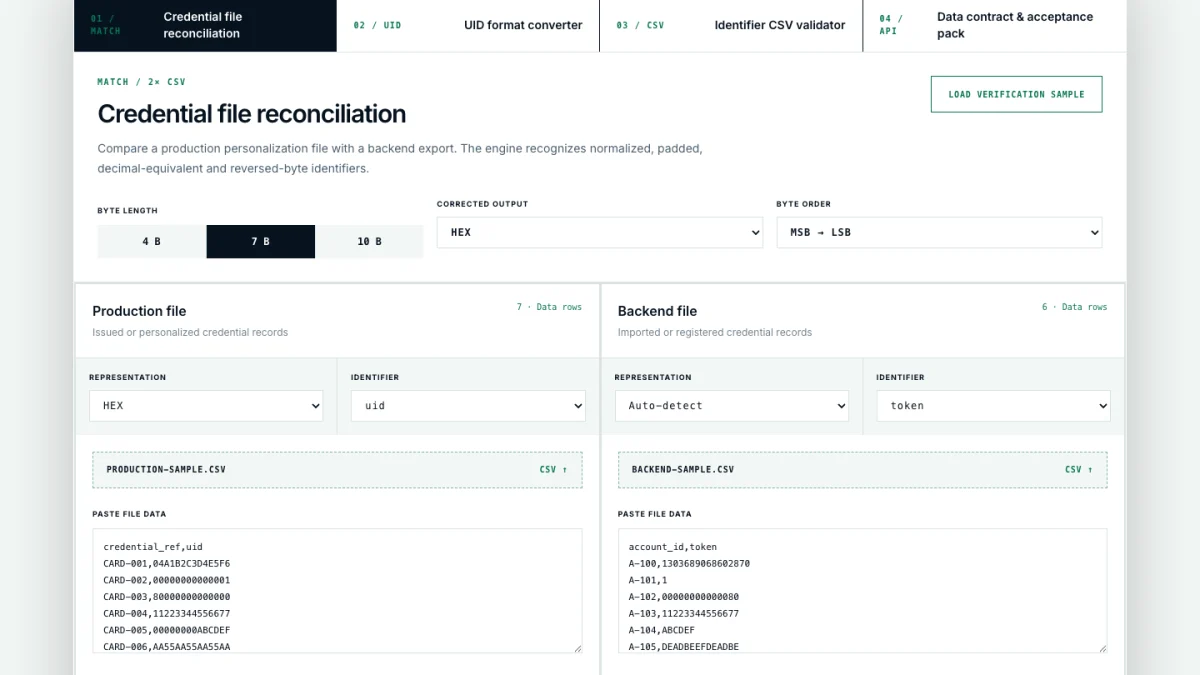
A Free RFID Credential Reconciliation Tool for EV Charging Teams
Compare production and backend credential files, expose UID formatting mismatches, and export the evidence needed to correct an RFID rollout before launch.
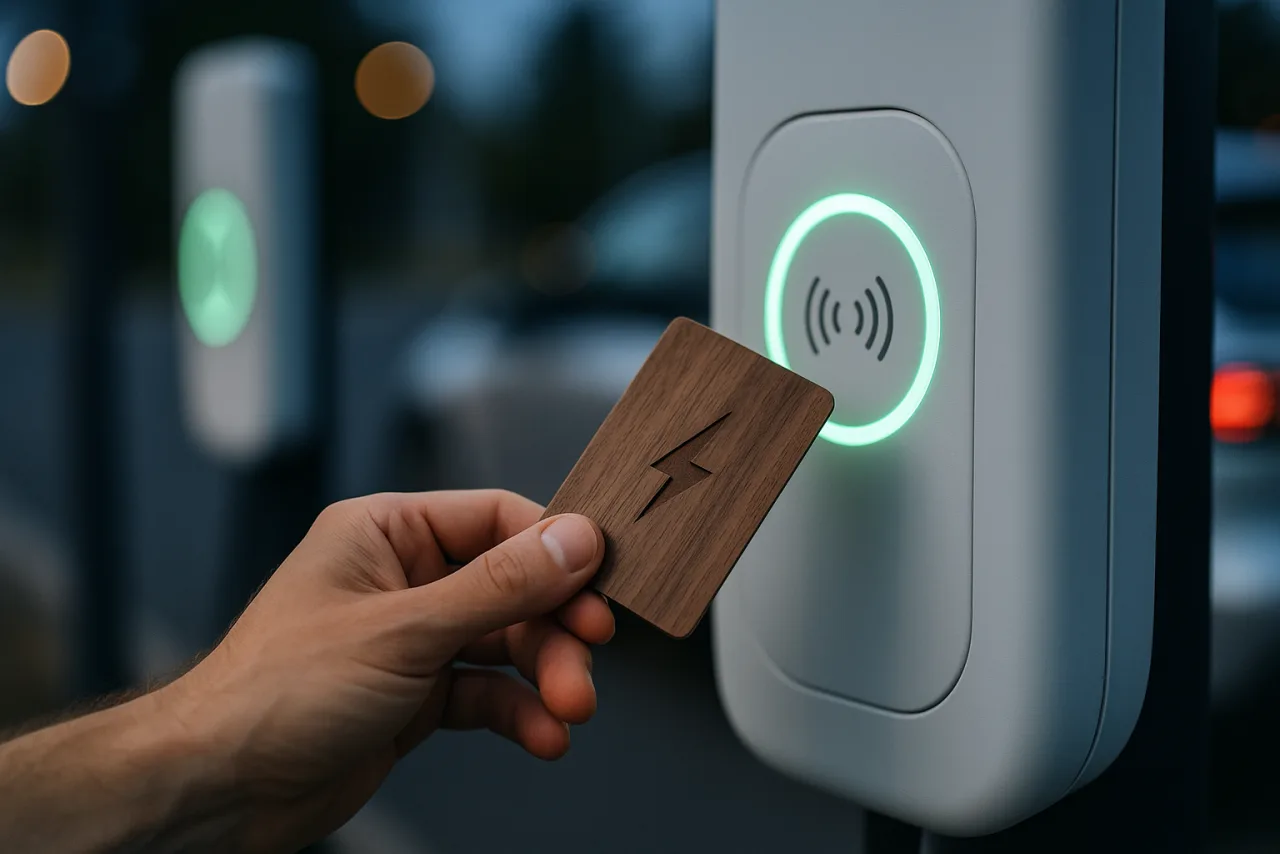
White-Label RFID Cards for E-Mobility Service Providers: The eMSP Playbook
An e-mobility service provider lives or dies by the moment a driver taps a card at a stranger's charger and it just works. Here is how white-label RFID cards, OCPI tokens, and clean UID provisioning let an eMSP put its brand on a credential that roams across hundreds of thousands of charge points.